
Primary Keyword: tungsten ring width
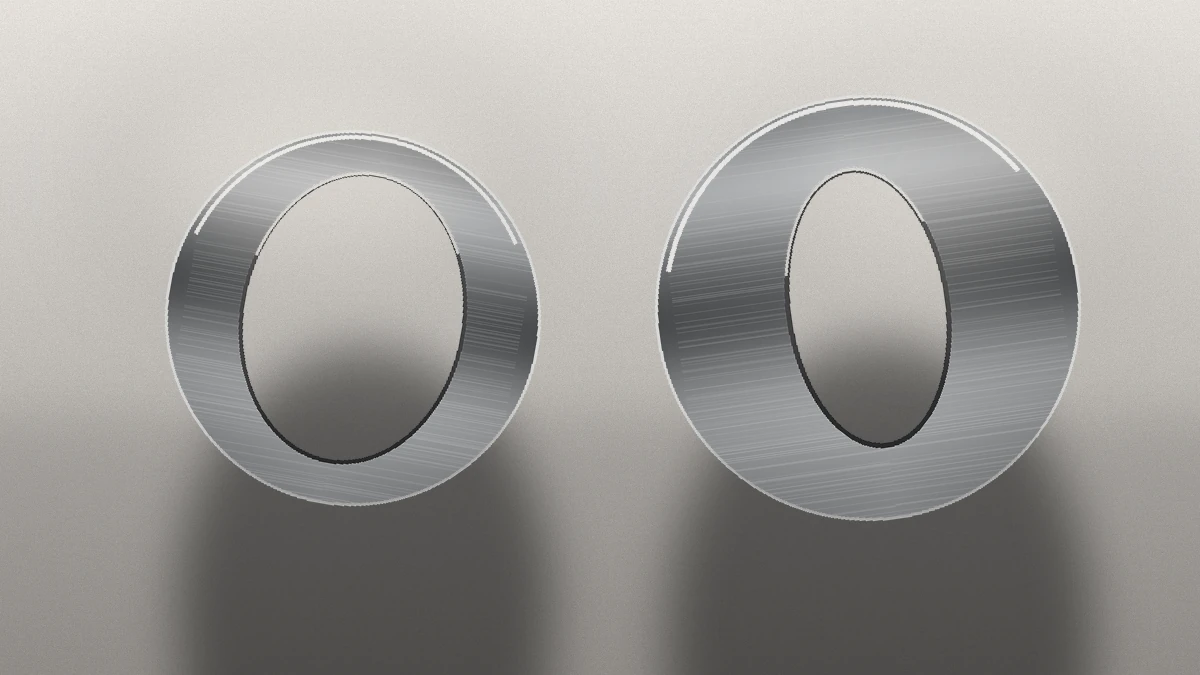
Choosing a wedding band online gets much easier once you understand one detail that dramatically changes how a ring looks and feels: tungsten ring width. For many shoppers, the practical decision comes down to 6mm versus 8mm. A 6mm tungsten ring usually looks cleaner and more understated, while an 8mm band creates a bolder, more substantial profile on the hand.
Neither width is automatically better. The right choice depends on your finger length, hand proportions, comfort preferences, personal style, and whether you want the wedding band to blend in or make a stronger statement. This guide explains the difference in plain language so you can narrow your options before ordering.
What Does Tungsten Ring Width Mean?
Ring width is the measurement across the band from one edge to the other. It is different from ring size, which describes the circumference or inner diameter that fits around your finger.
A change of only 2mm may sound small, but on a finger it is very noticeable. That is why the difference between a 6mm and 8mm wedding band can affect both appearance and comfort.
Many IntelliRings tungsten styles are offered in both 6mm and 8mm options. For example, shoppers comparing different finishes can browse custom and matching couples tungsten bands to see how the same general material can look very different depending on width, color, inlay, and edge design.
What Does a 6mm Tungsten Ring Look and Feel Like?
A 6mm tungsten band is a versatile middle ground. It is wide enough to look like a substantial wedding band but still slim enough to feel relatively streamlined.
A 6mm band may be a strong choice if you:
Have shorter fingers or smaller hands and want a balanced proportion.
Prefer a classic wedding-band profile instead of an oversized look.
Are new to wearing rings and want less material covering the finger.
Like detailed designs but do not want the band to dominate your hand.
Want a matching-couple look where the same design can work on different hand sizes.
The narrower profile can also make certain two-tone or inlay designs feel more refined. If you like contrast without excessive visual weight, a 6mm option can be especially attractive.
What Does an 8mm Tungsten Ring Look and Feel Like?
An 8mm tungsten ring has noticeably more presence. The extra surface area makes the band look wider, heavier, and more prominent, which is one reason 8mm wedding bands are popular with people who want a masculine or statement-oriented style.
An 8mm band may suit you if you:
Have larger hands or longer fingers.
Prefer a bold wedding band that is easy to notice.
Want more visible surface area for carbon fiber, Celtic, wood, colored stripes, or other inlays.
Like the visual weight of contemporary men's jewelry.
Are comfortable with a ring covering more of the finger between the knuckle and hand.
The wider format can make design details easier to see. A product such as the black tungsten ring with red Celtic dragon inlay, which is available in 6mm and 8mm widths, is a useful example of how the same design can feel more subtle or more dramatic depending on the width you select.
6mm vs 8mm Tungsten Ring: The Fast Comparison
If you want the short answer, use these rules of thumb:
Choose 6mm for a slimmer, balanced, traditional, or lower-profile appearance.
Choose 8mm for a broader, bolder, more contemporary appearance.
If you have smaller hands, start by considering 6mm.
If you have larger hands or want the ring to stand out, start by considering 8mm.
If design visibility matters most, the extra surface area of an 8mm band may display inlays and patterns more clearly.
If you are sensitive to the feeling of a ring between your fingers, 6mm may feel less intrusive.
These are starting points, not strict rules. Personal comfort matters more than convention.
Does Finger Size Change Which Wedding Band Width You Should Choose?
Yes, but ring size alone is not the whole story. Two people can wear the same ring size and have very different finger lengths and hand proportions.
Think about the amount of space between your knuckle and the base of your finger. A wider band occupies more of that space. On a shorter finger, an 8mm ring may look very substantial. On a longer finger, the same 8mm width can look naturally proportioned.
It can help to compare the band width visually before buying. Cut a small strip of paper to 6mm and another to 8mm, wrap each around the finger, and look at your hand from several angles. This simple comparison will not reproduce the weight or exact feel of tungsten, but it can help you judge the visual scale.
Does a Wider Tungsten Ring Fit Tighter?
A wider band can feel tighter even when its inner diameter is the same. That happens because more of the ring contacts your finger.
This is especially relevant if you are between sizes, your fingers swell during the day, or you are used to very thin rings. The effect varies by finger shape and by whether the ring has a comfort-fit interior.
Before ordering, use a sizing method designed for the approximate width you plan to wear whenever possible. IntelliRings also has an existing guide on how to find your ring size, which can help you establish a better starting point for online ordering.
How Comfort Fit Changes the 6mm vs 8mm Decision
A comfort-fit band has a slightly rounded interior rather than a completely flat inside surface. That contour can make a broader ring easier to slide over the knuckle and more comfortable during long periods of wear.
Still, comfort is subjective. Some people barely notice an 8mm band after a few days. Others strongly prefer the lower-profile sensation of 6mm. If you work frequently with your hands, type all day, lift weights, play an instrument, or wear gloves, think about how much finger coverage you want during normal activities.
The best wedding band is not simply the one that looks best in a product photo. It is the one you will be comfortable wearing repeatedly.
How Ring Width Affects Style and Design
Width changes more than comfort. It also changes how design elements are perceived.
Simple polished or brushed bands
Minimal designs often work well at either width. A 6mm polished band appears sleek and classic, while an 8mm version feels more architectural and substantial.
Carbon fiber and colored inlays
Inlays benefit from visible surface area. A wider band can make carbon fiber, colored stripes, and other materials easier to appreciate. For an example, compare styles similar to the black tungsten ring with black carbon fiber inlay.
Celtic and symbolic designs
Complex patterns can look especially strong on a wider band because there is more room for the motif. If the pattern is the main reason you are choosing the ring, 8mm may better showcase it.
Wood, meteorite, and natural-look inlays
Natural textures are visually rich. A wider band gives those textures more space, while a narrower width can make the overall ring feel more restrained. IntelliRings groups several of these styles under collections such as Koa wood tungsten rings and meteor tungsten rings.
What About 10mm Tungsten Rings?
Some shoppers want an even wider profile. A 10mm tungsten ring is intentionally bold and works best for someone who already knows they enjoy a substantial band.
IntelliRings carries wide styles such as the 10mm black San Francisco tungsten ring among its broader ring selection. A 10mm band can look excellent on larger hands, but it covers considerably more finger space than 6mm or 8mm. For a first wedding band, 6mm and 8mm are usually easier reference points for comparison.
Should Couples Choose the Same Ring Width?
They do not have to. Matching rings can share the same material, color, engraving, or inlay while using different widths.
One partner may prefer 6mm and the other 8mm. That can actually produce a better matched set because the rings look proportional on each hand rather than identical when viewed off the finger.
This is where matching couples tungsten bands are especially useful: you can focus on a common design language while still choosing the width that feels right for each wearer.
A Practical Checklist Before You Order
Before deciding on your final tungsten ring width, ask yourself:
Do I want the ring to look understated or bold?
How long is the section of my finger between the knuckle and hand?
Do I normally like substantial jewelry?
Will the ring's pattern or inlay benefit from more visible surface area?
Do my fingers swell noticeably during the day?
Will I wear gloves or use my hands heavily for work?
Have I checked sizing with a band that is close to the width I plan to buy?
If you are still undecided after those questions, 6mm is usually the safer starting point for a streamlined look, while 8mm is the safer starting point for a statement look.
Find the Width That Looks Like It Belongs on Your Hand
A wedding band becomes part of your everyday appearance, so the best width is the one that feels natural when you stop thinking about it. Compare proportions, consider how much design detail you want to display, and give comfort as much weight as style.
When you are ready to compare finishes, colors, and inlays, explore IntelliRings' tungsten ring collections and use the available width options to narrow your choice. The goal is not simply to pick 6mm or 8mm; it is to find the band you will still be happy to see on your hand years from now.
Frequently Asked Questions
Is an 8mm tungsten ring too wide for everyday wear?
Not necessarily. Many people wear 8mm bands comfortably every day, especially if they have longer fingers, larger hands, or simply prefer a substantial ring. However, an 8mm ring covers more of the finger than a 6mm ring, so people who are sensitive to finger coverage or who have shorter fingers may prefer the narrower option.
Should a men's wedding band be 6mm or 8mm?
Both are common choices. A 6mm band generally gives a cleaner and more traditional profile, while an 8mm band creates a bolder, more contemporary look. Hand size and personal style matter more than gender-based rules, so compare both widths visually before buying.
Does ring width change the ring size I need?
The nominal ring size refers to the inner circumference, but wider bands can feel tighter because more material contacts the finger. If you are between sizes or choosing a much wider band than you normally wear, it is smart to size with a ring sizer or sample band that is close to your intended width.